
— Update (July 21 2026): The Election Has Concluded —
As required by the Constitution of the EAJS, this election determines the Officers and Members of the EAJS Council to serve during the period 2026-2029.
The Constitution allows each member one vote for President, one for Treasurer, one for Secretary, and three for members of the extended Council. Those candidates whose names appear below have confirmed that they are willing to stand for election.
The election will be conducted as an online election starting June 22 2026. All registered members of the EAJS will be informed in time and will receive instructions on how to vote via e-mail.
EAJS President
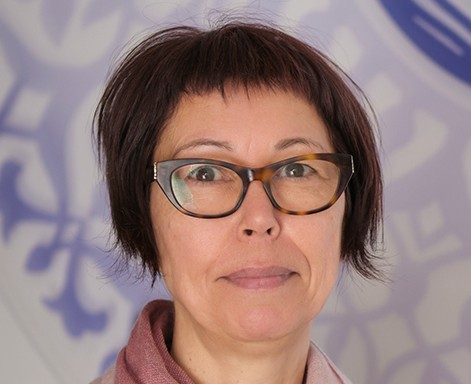
Beata Bochorodycz
Short Statement
I am honored to stand as a candidate for the EAJS Presidency. The EAJS has long served as a vital platform for advancing research on Japan, fostering intra-European and international collaboration, as well as supporting emerging scholars in our field. I would be honored to contribute to its continued growth with a deep sense of responsibility and commitment to our scholarly community.
If entrusted with this role, I will work to further strengthen the EAJS as an inclusive, dynamic, and globally connected organization —one that supports rigorous scholarship, nurtures the next generation of researchers, and enhances ties between Europe, Japan, and other parts of the world. The responsibilities of the President are substantial, and I am prepared to undertake them with diligence, transparency, and strategic vision. Coming from Poland, a Central European state, I am also committed to revitalizing the participation of national associations of Japanese Studies from Central and Eastern Europe and the Balkans. Due to the historical legacy of the Cold War division and the economic challenges that many of these countries have faced, their involvement in the intra‑European Japanese Studies community has often been more limited. I would like to work actively to strengthen their presence within the EAJS, and ensure that the diversity of European scholarship is fully reflected in our activities.
I look forward to the opportunity to contribute to the future of the EAJS and to work together with all of you in shaping the next chapter of our Association.
Curriculum Vitae
Publications
2025. Unlocking Potential: Japan’s Strategic Opportunities in the Three Seas Initiative. In a report Japan as a New Strategic Partner in the Three Seas Initiative: Opportunities and Challenges Ahead by German Marshal Fund of the United States, with Sayuri Romei, Bart Gaens, Anthony B. Kim, Mirna Galic, Akio Miyajima, Japan as a New Strategic Partner in the Three Seas Intiative.pdf
2024. Rentai no seiji shakaigaku: 3.11-go no han genpatsu undō to shimin shakai [Political sociology of solidarity: Anti-nuclear movement and civil society after 3.11], introduction by Oguma Eiji, trans. and comment by Kinoshita Chigaya, Tokyo: Akashi Shoten.
2023. The security policy community and the consensus on the US–Japan alliance: the role of think tanks, experts and the alliance managers, The Pacific Review, pp. 1-31; DOI: 10.1080/09512748.2023.2246664, Scopus 88 centyl
2022. Fukushima and Civil Society: The Japanese Anti-Nuclear Movement from a Socio-Political Perspective, London, Routledge
2021. “Japan’s Response to COVID-19”, in Cooperation vs Rivalry in Times of Pandemic, ed. by R. Fiedler, S.C. Park, A. Pohl, Berlin: Logos Berlag Berlin, pp. 68-103.
EAJS Treasurer

Katrin Gengenbach
Short Statement
I would be very happy to serve as treasurer for the EAJS office. Since starting my career at the EAJS office in 2012, our past treasurer(s) and the staff have invested a great deal of time and energy into building an effective management to keep EAJS connected. Even during my short time as office staff, I got to know the entire life-cycle of EAJS workshops, TIFO fellowships, conference preparations, grant applications and tax reports. One of my main goals is to maintain continuity and stability for the staff, so we will succeed in keeping the office running and contributing to future developments and projects together with our past and future EAJS council members.
I see EAJS as an environment for researchers in Japanese and Area Studies to get involved, connect and grow into experts in their research field. We all need sustainable networks and mutual support to thrive, and I would like to continue creating opportunities and events to find a common space and feel included within our EAJS community.
As managing director of a graduate school, I bring many years of experience in managing, organizing, advising and supporting research projects and grants, in particular for early career researchers. I also work in close collaboration in projects with international partner universities and institutions. If elected as treasurer, I want to continue strengthening our foundation, in particular by ensuring stability of the Office, by exploring new grant and publication strategies, and by further promoting the growth of our network(s) with partners in Europe, Japan and East Asia.
Curriculum Vitae
Katrin Gengenbach (she/her) is Associate Director of Graduate School of East Asian Studies (GEAS) at Freie Universität Berlin since 2013, and elected Deputy of the Central Equality Officer of Freie Universität since 2024. From 2012 to 2013, she worked as EAJS Office Representative, after receiving her PhD in Japanese Studies from Leipzig University (2011). She was a visiting fellow at Tokyo University, DIJ Tokyo and Tokyo University of Foreign Studies between 2007-2009, and went on staff exchange in Taiwan 2019 and Italy 2022 for international cooperation. She has received advanced training in academic management (2015), in mentoring for doctoral researchers (2018-19) and in international diversity, equity and inclusion management since 2020. Even though most of her work is in management, she is currently working in a German-Canadian U15 research project on DEI data justice. Katrin coordinates and co-organizes several partner research projects and biannual summer schools in and on East Asia, the most recent one with colleagues at IRiDes at Tohoku University in 2024. She has also managed several third-party projects and grants, including German Excellence Funding (DFG), German Academic Exchange Service (DAAD) and Erasmus, Japan Foundation, Korea Foundation, funding from partner universities in Taiwan and Canada, and other public funding institutions.
Publications
(I work in academic management and have not published any research since 2013)
2022. (Dorothea Mladenova, Felix Jawinski und Katrin Gengenbach, ed.). Die Aufgabe der Japanologie. Beiträge zur kritischen Japanforschung. Leipzig: Leipziger Universitätsverlag.
2013. Between Extremes of Poverty and Luxury: Sociocultural Dynamics of Consumption in Early Postwar Japan (1945-1959). Dissertation. Leipzig/Dresden, Qucosa electronic publication.
2012. (w/ Maria Trunk) “Vor und nach “Fukushima” – soziale Bewegungen in Japan nach der Jahrtausendwende.” [Before and after Fukushima – social movements in Japan after the turn of the century]. In: Chiavacci, David/Wieczorek, Iris (ed.): Japan-Jahrbuch 2012, München, iudicium.
EAJS Secretary
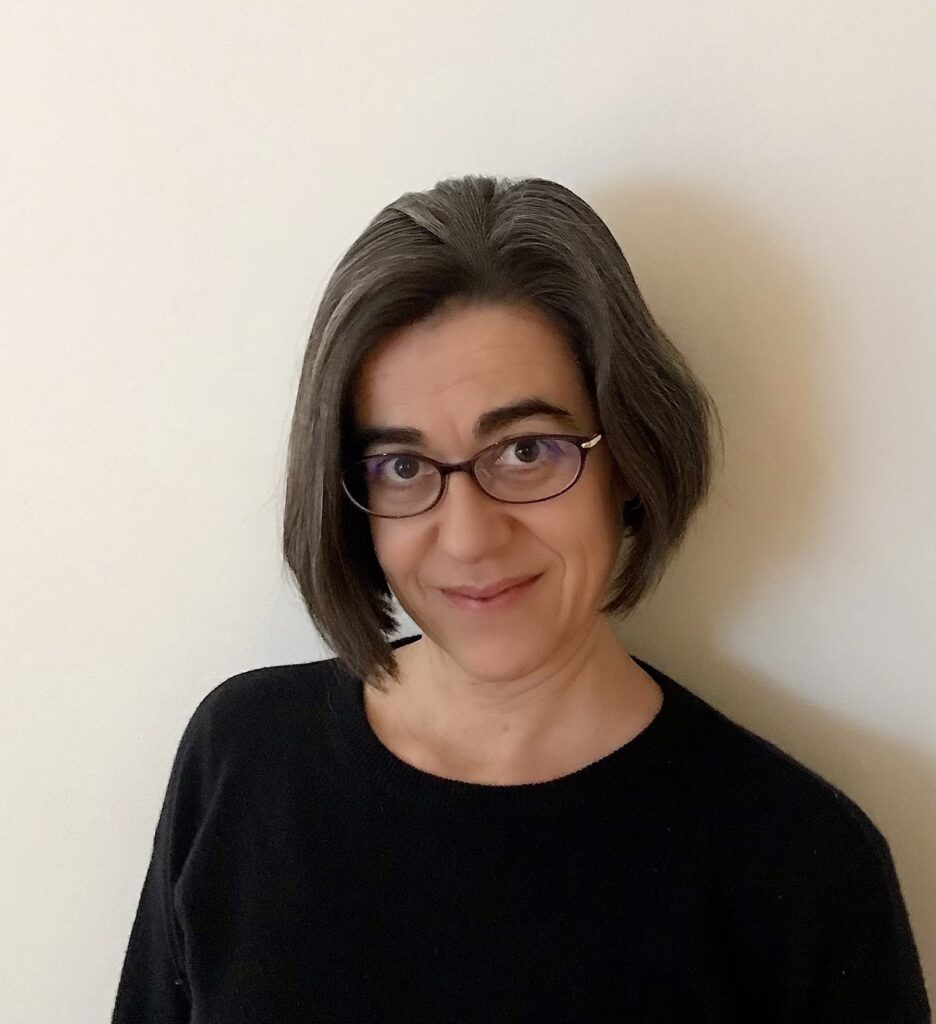
Rebecca Suter
Short Statement
I have worked in the field of Japanese studies for twenty-five years, holding academic positions in Europe, Japan, the United States, and Australia. I believe in the importance of contributing to the broader academic community, and over the years I have held executive roles in several associations of Japanese and Asian Studies. I have been on the editorial board of two journals in the field, I have co-convened international workshops and conferences of varying sizes, from under 50 to over 1,000 attendees, I have mentored doctoral and early career researchers, and I have promoted public engagement with Japanese culture, especially through involvement with the transnational manga artist and fan community, in the Asia-Pacific and in Europe.
Through these roles I have acquired a significant amount of experience in research administration and outreach, and I was honoured to have the opportunity to put these in the service of the Japanese Studies academic community as an EAJS extended council member in 2023-2026. Having worked myself across different disciplinary frameworks and in multiple linguistic and national contexts, in my term as council member I have particularly endeavoured to address institutional obstacles to interdisciplinary, transnational, and multilingual research. Being on the extended council has enabled me to acquire a good grasp of the organisational structure of the association and of the responsibilities involved in its management. I would be honoured to be given the opportunity to act as secretary in the next term, and I am confident I would serve well in that capacity.
Curriculum Vitae
I was awarded a PhD in Japanese Studies and Comparative Literature from Università degli Studi di Napoli l’Orientale, Italy, in 2004, and was a postdoctoral fellow at Harvard University’s Reischauer Institute for Japanese Studies in 2005-2006. I have taught and researched in Japanese language, culture, and literature since 2001, first in casual and fixed-term positions, at the Italian Institute for Asia and the Orient in Italy and at Harvard University and Brown University in the United States, then in a continuing position at the University of Sydney from 2008 to 2022. In 2023 I joined the Japanese Studies program at the University of Oslo, and in 2024 I was promoted to full professor.
My main research interest is in Japanese literature and popular culture in a comparative perspective, with a specific focus on Japan’s creative appropriation of Euro-American culture and the challenges it poses to current views of globalisation, multiculturalism, and transnationalism. I have also taught and researched in postcolonial studies, translation studies, gender studies, and media studies. In the past two years I have started to work in the area of environmental humanities, with a project called Eco-Emotions, that looks at affective responses to environmental change in the medium of literature.
I have been in several administrative roles at universities, including chair of Japanese Studies and curriculum coordinator for the School of Languages and Cultures at the University of Sydney. I am currently head of the Japanese section at the University of Oslo. I have been a member of the EAJS extended council in 2023-2026, where I had the opportunity to assess applications for PhD workshops and funding schemes, and to collaborate in the organisation of PhD workshops and of the EAJS conference. In 2020-2023, I was Vice-Secretary of the Australian Society for the Asian Humanities, where I contributed to expanding its membership among junior researchers and postgraduate students. In 2016-2020, I was area representative for Japan in the Asian Studies Association of Australia (ASAA) and coordinated the association’s report on the evolution of Japanese Studies in Australia in the years 2000-2020.
My full academic curriculum is available on my university webpage at https://www.hf.uio.no/ikos/english/people/aca/japanese-studies/tenured/rebeccsu/index.html
Publications
Suter, Rebecca (2025). Standing with the Egg: Murakami Haruki’s Two-World Literature. In Rachael Hutchinson and Leith Douglas Morton, eds. Routledge Handbook of Modern Japanese Literature. Routledge.
Suter, Rebecca (2024). Rethinking Gender and Genre in Contemporary Women’s Manga. In Tsuchiya Dollase, Hiromi and Masami Toku, eds. Women’s Voices in Manga. Palgrave Macmillan, pp. 167-181.
Suter, Rebecca (2024). The An-Non Girl’s Progress: The Representation of Drinks in Japanese Fashion Magazines for Young Women of the 1970s–1990s. In David Inglis and Hang Kei Ho, eds. Drinks in Vogue: Exploring the Changing Worlds of Fashions and Beverage. Routledge.
Suter, Rebecca (2023). Manga, National Identity, and Internationalization in Postwar Japan. In Simon Avenell, ed. Reconsidering Postwar Japanese History: A Handbook. Amsterdam: Amsterdam University Press, pp. 307-26.
Suter, Rebecca (2021). The current state of Japanese Studies in Australia in 2020. Asian Currents. https://asaa.asn.au/the-current-state-of-japanese-studies-in-australia-in-2020/
EAJS Council

Erica Baffelli
Short Statement
My first EAJS conference was in Lecce in 2008, and I still remember it as the event where some of my most fruitful and enduring research collaborations began. Since then, EAJS has represented for me a uniquely supportive and intellectually vibrant space, one that actively fosters dialogue, collaboration, and interdisciplinarity across the field of Japanese Studies.
At a time when Languages and Humanities are increasingly under threat within universities, the role of EAJS is more vital than ever. EAJS provides an essential platform for research exchange and for promoting the importance of language study, while also playing a crucial role in supporting and mentoring new generations of scholars in Japanese Studies. I strongly believe that maintaining and strengthening this inclusive, collaborative ethos is central to the future of our field.
If elected to the EAJS Council, I would bring with me extensive experience in interdisciplinary and team-based international research, as well as experience in postgraduate and postdoctoral training. At The University of Manchester, I have held administrative roles including Director of Research and Director of a Doctoral Training Partnership, and I have long been involved in postgraduate and early-career researcher mentoring. My experience includes PhD training, but also mentoring for postdoctoral and early-career researchers, particularly in areas such as grant writing, publication strategies, and collaborative research development. I would welcome the opportunity to contribute this experience to EAJS initiatives.
Curriculum Vitae
Erica BAFFELLI is Professor of Japanese Studies at The University of Manchester (UK). She hold a PhD in East Asian Studies (Japanese) from Ca’ Foscari University (Venezia). Before arriving at Manchester in 2013 she was a Lecturer/Senior Lecturer in Asian Religions at the University of Otago (New Zealand, 2007-2013) and JSPS Postdoctoral Research Fellows at Hosei University (2005-2007).
She is interested in religion in contemporary Japan, with a focus on groups founded from the 1970s onwards.
Her recent research projects focused on religion in contemporary Japan, religion and media, new and minority religions, religion, gender and violence, and Buddhism and emotions.
She held visiting positions at several institutions including Toyo University (2021); Centre for Advanced Study at the Norwegian Academy of Science and Letters, Oslo (2019); Université Libre de Bruxelles (2018); Institute for Gender Studies, Ochanomizu University (2016).
She is currently PI on a Leverhulme Research Project on “Fear and Belonging in Minority Buddhist Communities” (2023-2027). In 2019-2021 she was PI for a UKRI AHRC-ESRC UK-Japan SSH Connection Grant on “Religion and Minority: Lived Religion, Migration and Marginalities in Secular Societies” with Professor Takahashi Norihito, Toyo University.
She is co-editor, with Michael Stausberg and Alexander Van Der Haven (Bergen University) of the open access publication
Religious Minorities Online (De Gruyter).
Publications
“A Connection to Support Each Other: Collective Graves and Activist Deathwork in San’ya, Tokyo.” Mortality 1–22, 2025
“Fear and the Construction of Minority Religions in Japan”. Religion, State and Society 51, 3: 223-237 2023
“Living Aum: Austerities, Emotion, And The Feeling Community Of Female Ex-Aum Members”, Nova Religio: The Journal of Alternative and Emergent Religions 25,3 : 7–31, 2022
with Andrea Castiglioni and Fabio Rambelli eds Handbook of Religion in Japan. London: Bloomsbury, 2021
2019 with Ian Reader Dynamism and the Ageing of a Japanese ‘New’ Religion: Transformations and the Founder, London: Bloomsbury, 2019

Olga Barbasiewicz
Short Statement
I am honored to accept the nomination for the EAJS Council. As an Associate Professor at SWPS University (Warsaw, Poland) and a scholar spanning political science, economics, and Japanese studies, my career has been dedicated to bridging disciplines and fostering international academic cooperation.
My professional background aligns closely with the Council’s responsibilities. As the Coordinator of the CEEPUS network, “Bridging Disciplines in Central and Eastern European Japanese Studies,” I manage an international consortium and oversee the selection of candidates for international mobility programs. My role as the Dean’s Representative for International Affairs has provided me with extensive experience in academic administration—skills essential for evaluating EAJS PhD workshops and fellowships. Furthermore, for the past two years, I have organized Erasmus+ Blended Intensive Programs (BIP), enabling young scholars to explore contemporary Japan through collaboration with international partners, business, and state institutions.
As President of the Japanese Universities Alumni Club in Poland, I have a proven track record of community building. My research includes a monograph on Polish refugees in Japan and Shanghai (1940–1945), and articles in The Pacific Review (2025) and the forthcoming Cambridge Review of International Affairs.
If elected, my priorities will be to:
- Enhance networking among European Japanese studies programs.
- Promote interdisciplinary collaboration, bridging Japanese studies with broader social sciences.
- Support early-career researchers by leveraging my experience in BIPs and mentorship to create publication and professional opportunities.
I am eager to contribute my energy to the EAJS community.
Curriculum Vitae
Publications
1. Szczepańska, K. & Barbasiewicz, O. (2026 – forthcoming), Japan’s Diplomacy of Sympathy towards Ukraine 2022-2024, Cambridge Review of International Affairs.
2. Barbasiewicz, O & Merklejn, I. (2026 – forthcoming), Japanese-Polish aid for refugees from Ukraine: multilevel governance, soft power and international cooperation, Studia Polityczne.
3. Barbasiewicz, O. (2025). Vulnerability and Resistance to Accept the Expressions of Remorse and Apology in the 20th Century in the Difficult Process of Reconciliation between Japan and South Korea. Politeja, 22(1 (95)), 9-25. https://doi.org/10.12797/Politeja.22.2025.95.01
4. Barbasiewicz, O., & Zaborski, M. (2025). Sound, silence and the difficult heritage in the realms of remembrance: The case of Europe and Asia–Pacific region. Muzeologia a
Kulturne Dedicstvo-Museology and Cultural Heritage, 13(1), 5–26. https://doi.org/10.46284/mkd.2025.13.1.1
5. Szczepańska, K., Barbasiewicz, O., & Voytsekhovska, V. (2024). Responding to the crisis: Japan’s changing foreign policy and ODA to Ukraine (2014–2023). The Pacific Review, 38(2), 231–261. https://doi.org/10.1080/09512748.2024.2369191

Edward Boyle
Short Statement
Serving on the EAJS Council for the last three years has been a tremendous honour, and I hope to be able to continue to contribute my efforts towards fostering a vibrant Japanese Studies. The EAJS represents the excellence and diversity of research being conducted within the Japanese Studies community across multiple disciplines. The Association serves as a platform for bolstering the impact of that work in Japan and elsewhere, for developing networks and opportunities for early- and mid- career academics, and for facilitating research which crosses traditional disciplinary and geographic boundaries. In my three years on the Council, I have been actively involved in all facets of the Association’s mission.
I am committed to research on Japan which breaks down academic silos and engages in cross-disciplinary conversations regarding the study of Japan and what it offers the world today. I am fortunate to be able to contribute to situating research on Japan in a broader context thanks to my role at the interdisciplinary research institute of Nichibunken. As the editor of Japan Review, I am well-positioned to help foster exciting work conducted by younger scholars in the field. I have also been actively involved in mentoring early career researchers, both individually and through a variety of institutional settings. I would be both delighted and honoured to retain the opportunity to share my passion and my experiences with the EAJS community, and to contribute to the ongoing international and collaborative development of Japanese studies in Europe and beyond!
Curriculum Vitae
Ted Boyle is an associate professor at the International Research Center for Japanese Studies (Nichibunken) in Kyoto, and the editor of Japan Review. He lectures at Kyoto and Kyushu Universities, and is a research associate at the Slavic-Eurasian Research Center, Hokkaido University. He holds a PhD in Politics from Hokkaido University (2018), and was an assistant professor at the Faculty of Law, Kyushu University (2015–2021).
Ted is interested in notions of borders and bordering practices, particularly in relation to maps and representation, territoriality, infrastructures, memory, and heritage. His projects include research on Borders of Memory in Asia, funded by the Japan Society for the Promotion of Science, and a team research project on “Island Japan: Fluid Bodies, Senses, Imaginaries”. The Japan’s Borders in Globalization program at Nichibunken organizes publication workshops (Hokkaido 2024, Nagasaki 2025) for early career researchers in collaboration with Borders in Globalization, the University of Victoria, and diverse other partners.
Publications
Edward Boyle. 2025. “Fluid Material: Japan’s Islands as Geo-Political Territory”, Geopolitics 31.3, 948–966, https://doi.org/10.1080/14650045.2025.2467419
Edward Boyle and Steven Ivings. 2024. Contesting Memorial Spaces of Japan’s Empire (London: Bloomsbury)
Edward Boyle. 2024. “Mapping Japan’s North: Material Traces of an Enduring Encounter”, in Leca & Storms (eds.), Enduring Encounters: Maps of Japan from Leiden University Library (Leiden: Brill), 17–42 https://doi.org/10.1163/9789004424692_003
Edward Boyle and Steven Ivings. 2023. Heritage, Contested Sites, and Borders of Memory in the Asia Pacific (Leiden: Brill) https://doi.org/10.1163/9789004512986
Akihiro Iwashita, Yong-Chool Ha and Edward Boyle. 2022. Geo-Politics in Northeast Asia (Abingdon: Routledge) https://doi.org/10.4324/9781003288039

Marcos Centeno
Short Statement
I am genuinely pleased to have been nominated for the EAJS council. I have had the opportunity to collaborate with EAJS for many years in a variety of capacities, including as a panel member, speaker, advisor for EAJS a PhD workshop and co-convenor of the Visual Arts section at a EAJS conference for several years. I have greatly benefited from exchanges, feedback, and interactions with members of the community ant these enriching experiences have always been truly inspiring, leading me to read other colleagues’ work, explore new topics and develop collaborative projects. Similarly, I´d love to help other members of the community find EAJS activities enjoyable and fruitful. I believe EAJS is an essential hub to disseminate Japan-related initiatives and is key for the development of this field. Thus, the association becomes an essential platform for researchers to share knowledge, develop networks, and support emerging scholars. Its activities are the result of, but also help to sustain, a vibrant intellectual environment that benefits both its members and the local communities across the continent. This has inspired me to engage more deeply in contributing with other colleagues to enhancing training, global interaction, cross-cultural exchange, and promoting excellence across Europe and beyond. Additionally, I´d like to keep supporting the association for finding funding, publication and collaboration opportunities.
Curriculum Vitae
Marcos Centeno-Martin is Associate Professor at the University of Valencia (UV) –where he teaches courses related to Japanese film, Japanese society and diversity and serves as director for its Master in Japanese and Korean Studies—, and Research Associate at Japan Research Centre, SOAS. Previously, Centeno held positions in the UK, as Japanese Programme director at Birkbeck, University of London, and as lecturer for the Department of Japan and Korea at SOAS. His main research interests revolve around the Japanese visual culture, particularly documentary film, transculturality, memory and the visual representation of minorities, mainly the Ainu people. His research and full-length documentary film, Ainu. Pathways to Memory (2014) received several prizes. He has coordinated funded projects funded by Japanese, British and Spanish institutions such as TRAMEVIC (Transnational Memories in East Asian Visual Culture), Representing the Ainu in UK Collections, Transculturality and Diversity in East Asia, Filmmaker Haneda Sumiko and Japanese Transnational Cinema. Among other activities, Centeno also was Council on East Asian Studies grant holder at Yale University, research associate at the Nissan Institute for Japanese Studies, Oxford University and served as a guest lecturer at the Centre for Japanese Studies at Nanzan University, Nagoya. He carried out graduate and postgraduate studies in Spain and Japan, being studentship holder at Waseda University. Hehas also acted as a jury member for awards such as the ICAS-Sephis prize for the best books in Asian Studies, the Ivan Morris Memorial Prize on Japanese Studies and is co-editor in cheaf for East Asian Journal for Popular Culture.
Publications
Centeno-Martin, Marcos, Irene González-López, Alejandra Armendariz-Hernandez, (eds), The Documentary Cinema of Haneda Sumiko Japan in Transition through Gender, Arts, Nature and Society. London, New York: Routledge, 2026, pp. 196-216.
Centeno, Marcos. “Mothers-turned-activists in Japanese documentary film. Tokieda Toshie and the pioneer ‘democratic motherhood’. InSusan Flynn and Deirdre Flynn (eds.) Routledge Companion to Motherhood On Screen. London: Routledge, 2025, pp. 247-250
Centeno, Marcos. 2022. “The Ainu in Documentary Films: Promiscuous Iconography and the Absent Image”. In David Desser (ed.) Companion to Japanese Cinema. Hoboken, NJ: Wiley Blackwell, John Wiley & Sons, Inc, 2022, pp. 271- 293
Centeno, Marcos and Raine, Michael (eds.). 2021. “Special Issue: Developments in the Japanese Documentary Mode”, Arts, 2021.
Centeno, Marcos. 2018. “The Limits of Fiction: Politics and Absent Scenes in Susumu Hani’s Bad Boys (Furyōshōnen, 1960). A Film Re-reading through its Script”. Journal of Japanese and Korean Cinema, vol.10, 2018, pp 1-15.
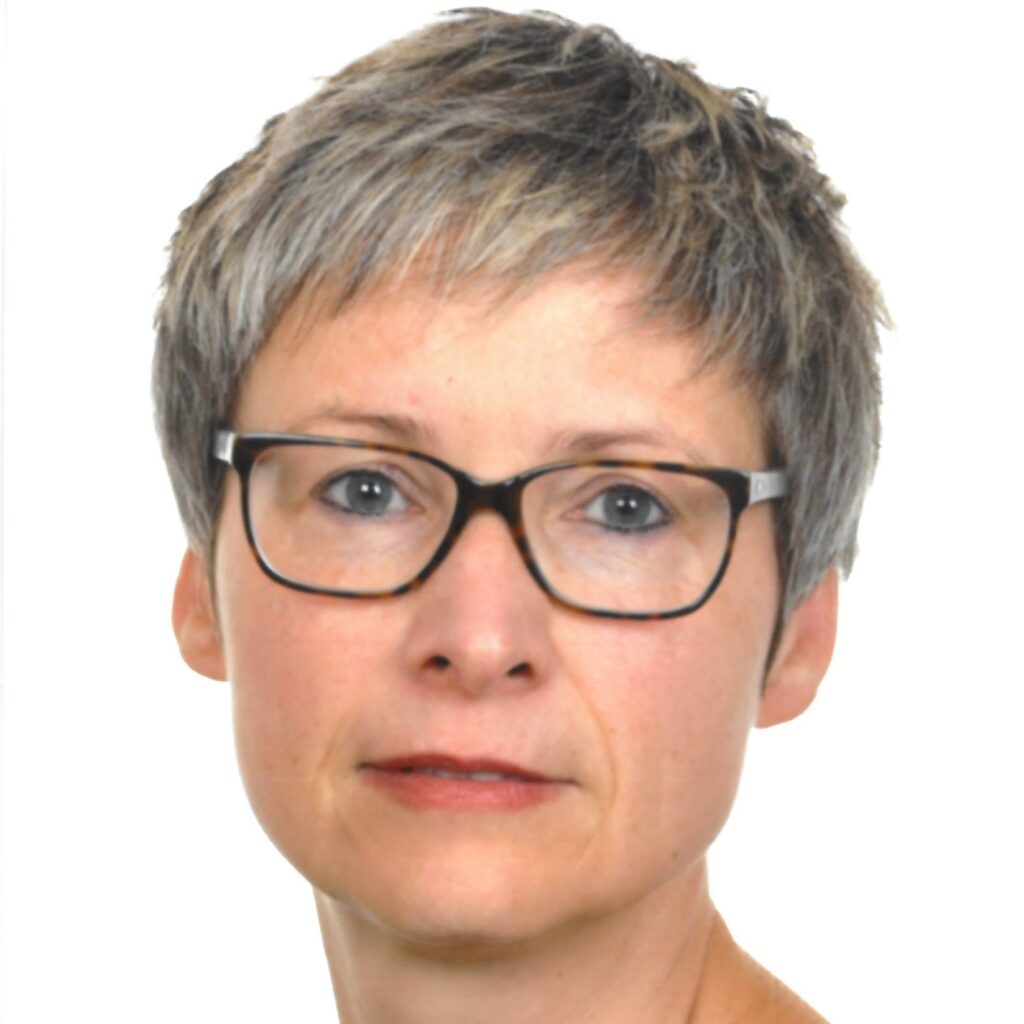
Barbara Geilhorn
Short Statement
I feel honored to have been nominated as a candidate for the EAJS council. Currently based in Japan, I am a scholar with a strong focus on interdisciplinary research. Relying on my work and research experiences in various academic environments, including in Germany, Japan and the UK, I hope to contribute to strengthening the network of Japanese Studies. To date, I have worked on rural revitalization, cultural representations of the Fukushima disaster, negotiations of
gender and power in classical Japanese culture, and stagings of contemporary society in Japanese performance art.
As an EAJS member since 2003, I have not only come to cherish EAJS conferences as a valuable platform for exchanging insights with international colleagues, but also as a space for discussing my own research and to further expanding my knowledge of Japanese Studies. I also served as a convenor for the Performing Arts Section at the EAJS Conference in Lisbon and the Visual & Performing Arts, Film and Media Studies Section at the EAJS Conference Japan in Tsukuba.
My aim will be to further advance interdisciplinary exchange at the EAJS and to enhance the outreach of European research on Japan by attracting scholars from Japan and the U.S. In addition, I also envision taking the initiative in exploring ways and means to utilize the EAJS as
a platform to support both early and mid- career scholars in taking the next steps in promoting their academic careers.
Curriculum Vitae
Since 2023 Adjunct Professor of Cultural Resource Studies at the Graduate School of Humanities and Sociology, University of Tokyo
2018-2023 Senior researcher at the German Institute for Japanese Studies (DIJ) Tokyo
2020-2021 Visiting Professor for Modern Japanese Studies at Heinrich Heine University Düsseldorf
2017 Lecturer in Japanese Cultural Studies, University of Manchester
2016 Humboldt Foundation postdoctoral researcher at the International Research Center “Interweaving Performance Cultures“, Free University Berlin
2014 –2016 Japan Society for the Promotion of Science postdoctoral researcher at Waseda University
2009 – 2014 Lecturer in Japanese Studies at Freie Universität Berlin
2007 – 2009 Lecturer in Japanese Studies, University of Trier
2008 Ph.D. in Japanese Studies at University of Trier
2000 Magistra Artium in Japanese Studies at Free University Berlin
Publications
2024 Special Issue (ed.): Art and Regional Revitalization – Case Studies from Japan. Contemporary Japan Special Issue 36,1.
2023 (with Linda Flores, eds): Literature After Fukushima. From Marginalized Voices to Nuclear Futurity. Routledge.
2021 (with Peter Eckersall et al., eds): Okada Toshiki & Japanese Theatre. Aberystwyth, UK: Performance Research Books.
2021 Towards a Culture of Responsibility – Relating Fukushima, Chernobyl, and the Atomic Bombings in Setoyama Misaki’s Theatre. Japan Forum. 33, 4: 497-521.
2019 A Multifaceted Fukushima – Trauma and Memory in Ōnobu Pelican’s Kiruannya and Uko. The Asia Pacific Journal Vol.17, Issue 1, No.1, January 19.

Nataša Visočnik Gerželj
Short Statement
I am honoured to have been nominated as a member of the Council of the European Association of Japanese Studies (EAJS). I am grateful for the trust placed in me by my colleagues and pleased to accept this nomination.
My involvement with EAJS dates back to 2011, when I first participated in the conference in Tallinn. From 2011 to 2014, I had the privilege of serving as a member of the local organising committee and extended Council during the preparation of the 14th EAJS Conference held in Ljubljana in 2014. This experience gave me a deep appreciation of EAJS as the largest and most important forum for Japanese Studies outside Japan, and I am particularly proud that the conference helped place Slovenia firmly on the map of countries contributing to Japanese Studies in Europe.
At the Department of Asian Studies in Ljubljana, we maintain numerous collaboration and exchange agreements with Japanese universities and are actively strengthening regional cooperation, especially with institutions in Eastern and South‑Eastern Europe. As a member of the EAJS Council, I would be committed to fostering interdisciplinary dialogue, supporting young scholars, and expanding networks among institutions and researchers within and beyond Europe. I would be happy to continue contributing to EAJS with dedication and enthusiasm. I am also a long-time member of the Japan Anthropology Workshop (JAWS), and if elected, I would serve as a liaison between the two organizations.
Curriculum Vitae
Nataša Visočnik Gerželj is an Associate Professor at the Department of Asian Studies, Faculty of Arts, University of Ljubljana, Slovenia. She holds a Bachelor’s degree in Ethnology and Cultural Anthropology and Japanese Studies, and a PhD in Ethnology and Cultural Anthropology from the University of Ljubljana.
Her research focuses on identity formation in Japan and South Korea, with particular attention to minority and marginalized groups, including Zainichi Koreans, migrant workers, and other socially vulnerable communities. She has conducted extensive fieldwork in both Japan and South Korea. An important part of her scholarship also engages with religious practices and women’s issues within minority contexts.
In addition, her earlier and complementary research includes studies in the anthropology of the body, dance, and space. Her recent work concentrates on Zainichi Koreans in Japan and on the concept of “diaspora at home,” explored through research on Zainichi Koreans living in South Korea. She was also a researcher in the East Asian Collections project, examining East Asian collections in Slovenian museums.
Alongside her teaching and research, she serves as Managing Editor of the journal Asian Studies at the Faculty of Arts, University of Ljubljana
Publications
Articles:
Dancing with the fan : the role and value of a Japanese fan and kimonos in the transmission of Japanese culture by Marija Tsuneko Skušek. V: VAMPELJ SUHADOLNIK, Nataša (ur.). East Asia in Slovenia : collecting practices, categorization and representation. 1st ed. Ljubljana: Znanstvena založba Filozofske fakultete: = University Press, Faculty of Arts, 2021. Vol. 9 (25), issue 3, str. 199-221, ilustr. Asian studies, vol. 9 (25), issue 3. https://revije.ff.uni-lj.si/as/article/view/9940, DOI: 10.4312/as.2021.9.3.199-221.
Discourse on Multiculturalism within the Korean Community of Kyoto. Japanese review of cultural anthropology : JRCA. [Online ed.]. 2019, vol. 20, no. 1, str. 207-246. https://www.jstage.jst.go.jp/article/jrca/20/1/20_207/_article/-char/en, DOI: 10.14890/jrca.20.1_207.
Immigration in Japan : the labour shortage and changes in Japanese society. V: OGRIZEK, Marko (ur.). Foundations and futures : East Asian intellectual, political and linguistic landscapes. 1. izd. Ljubljana: Založba Univerze: = University of Ljubljana Press, 2025. Str. 97-123. Zbirka Studia Humanitatis Asiatica. https://ebooks.uni-lj.si/ZalozbaUL/catalog/view/709/1086/11150.
The hand fan as a collectible in the periphery: hand fans in Alma M. Karlin’s collection. V: VAMPELJ SUHADOLNIK, Nataša (ur.). Centring the periphery : new perspective on collecting East Asian objects. Leiden; Boston: Brill, cop. 2023. Str.: 136-186, ilustr. European studies in Asian art and archaeology, 3.
VISOČNIK, Nataša, ALSFORD, Niki J. P. Tzu-Chi and the ‘Moonies’ : New Religious Movements in Taiwan and South Korea. V: JACOBS, J. Bruce (ur.). Assessing the landscape of Taiwan and Korean studies in comparison. Leiden; Boston: Brill, cop. 2021. Str. [107]-126. Brill series in Taiwan studies, Vol. 1. ISBN 978-90-04-46130-7. ISSN 2589-3939. DOI: 10.1163/9789004461314_006.
Monography
The World of Fans: East Asian Fans in Slovene Museum Collections/Svet pahljač : vzhodnoazijske pahljače v slovenskih muzejskih zbirkah. 1. izd. Ljubljana: Založba Univerze, 2025. 188 str., ilustr. Knjižna zbirka Vzhodnoazijske zbirke v Sloveniji, št. 2. https://ebooks.uni-lj.si/ZalozbaUL/catalog/book/799, DOI: 10.4312/9789612976569.
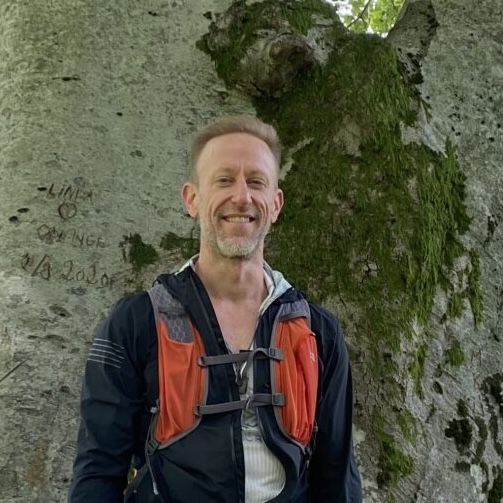
Nathan Hopson
Short Statement
As the most important scholarly association for Japan-related humanities and social sciences research in Europe, EAJS fulfills several vital, interlocking roles. Especially important are support for early-career scholars via workshops and fellowships, and facilitation of networking and exchange across disciplines, regions, and career stages. In addition to continuing these core efforts, EAJS could benefit from further integrating scholars from smaller institutions and less-represented regions such as the Nordics and Baltics, expanding networking and cooperation opportunities for graduate students and their supervisors, developing additional funding and support workshops benefiting early-career researchers, and increasing public outreach via both digital media and in-person events. Inclusion, career development, and outreach are crucial to ensuring the long-term vitality of EAJS and Japanese studies in Europe.
Since coming to Europe from Japan in 2021, I have immersed myself in the Japanese studies community here, including serving as History section co-convenor for EAJS 2026 (Poznan); co-organizing the 2026 SJSF Japanese Studies Networking Conference in the Nordic Countries at Bergen (UiB) and 2024 Translation as Method in Japanese Studies workshop at UiB, and 2023’s “Consuming Asia” conference and accompanying PhD workshop co-sponsored by NIAS, the Network for Asian Studies, UiB, and Chr. Michelsen Institute; and mentoring for the 2022 EAJS Workshop for Doctoral Students. I am also a podcast host for the New Books Network since 2017. This experience testifies to my interest in inclusion, development, and communication, the core of what I can offer as an EAJS council member.
Curriculum Vitae
University of Bergen Associate Professor 2021-Present
Nagoya University Associate Professor 2017-2021
Nagoya University Designated Associate Professor 2017-2021
Yale University Postdoctoral Associate 2013-2014
Grinnell College Visiting Assistant Professor 2012-2013
Publications
Refereed Journal Articles
“A Successfail Experiment: Gunma’s 1932–1933 Rural Community Nutritional Improvement Project.” Japan Review (Forthcoming 2026).
“What to Eat and How Much: The Rule of Three (Colours) in Modern Japanese Nutrition.” Electronic Journal of Contemporary Japanese Studies 25, no. 1 (April 23, 2025).
“‘Whaling: Good for the World, the Nation, and You.’” The Asia-Pacific Journal: Japan Focus 22, no. 10 (5) (November 22, 2024).
Invited Book Chapters
“Discipline and Nourish: ‘Sound Judgment’ and ‘Desirable Eating Habits’ in the Japanese School Lunch Program.” In Japanese Food Cultures Handbook, edited by Nancy K. Stalker. Routledge, forthcoming 2026.
“Glass Ceilings and Factory Floors: Kondō Toshiko and the Dawn of Public Health Nutrition in Japan, 1936-1940.” In Medical Women in the Japanese Empire: Sources and Critique, edited by Hiro Fujimoto, Aya Homei, and Ellen Gardner Nakamura, 71–89. Routledge, 2025.

Kristina Iwata-Weickgenannt
Short Statement
I am a scholar of contemporary Japanese literature and culture, and my research has long been concerned with questions of marginality and cultural representation. Earlier work has focused on zainichi Korean literature, precarity, and cultural responses to the Fukushima disaster. My current project turns to a different kind of marginality, examining how whaling—a practice that today plays only a very minor role in everyday life—nevertheless acquires symbolic weight. Rather than focusing on diplomacy and international relations, I look at how cultural and fictional narratives, museums, and other curated encounters generate affective attachments and help stabilize particular public understandings of whaling.
Although I have been based in Japan for more than fifteen years, EAJS has remained my main professional point of reference. It is the association through which I have stayed most closely connected to colleagues across countries, disciplines, and career stages, and where many of my longer-term collaborations have taken shape. Serving on the Council for the past two terms has given me a clearer sense of how much careful coordination and continuity are needed to sustain these exchanges. If elected for a third term, I would be glad to continue contributing to this work, in particular by supporting spaces where early-career scholars can participate with confidence and by helping to maintain the collegial, pragmatic style of collaboration that I value in EAJS.
Curriculum Vitae
2023-present Professor, Nagoya University, Japan
2013-23 Associate Professor, Nagoya University, Japan
2008-13 Senior Research Fellow, German Institute for Japanese Studies, Tokyo
2007 PhD in Japanese Studies, Trier University, Germany
Publications
2026, forthcoming. “The Cultural Catch: Japanese Whaling Fiction and the Gender(ed) Politics of Nostalgia,” in Asia-Pacific-Journal Japan Focus.
2025. “Literature: Feminist Bodies of Fiction” in Ulrike Wöhr und Andrea Germer, Handbook of Feminisms in Japan. Tokyo: Japan Documents, 147-155.
2024 “Writing Back at the Capitalocene. Radioactive Foodscapes in Japan’s Post-3/11 Literature”, in Hannes Bergthaller, You-ting Chen, eds. Foodscapes of the Anthropocene. Literary Perspectives from Asia. Peter Lang. Co-authored with Aidana Bolatbekkyzy. Reprint of Contemporary Japan 2023 (see below).
2024. “Beyond the Now and Then—Crafting Memory in Yū Miri’s Literature”, in Angela Yiu, ed. Literature in Heisei Japan 1989-2019. Tokyo: Sophia University Press, 107-126.
2023. “Voice and Voicelessness: On the Use of Tōhoku Vernaculars in Post-3.11 Literature”, in Linda Flores, Barbara Geilhorn, eds., Literature after Fukushima. From Marginalized Voices to Nuclear Futurity. London: Routledge, 47-65.

Stefano Romagnoli
Short Statement
I joined the EAJS ten years ago, in 2016. Aside from my time in Japan, the 2017 EAJS Conference in Lisbon was my first real opportunity to engage with the broader international community of Japan studies. That experience not only helped me move beyond a more insular perspective, but also gave me a strong sense of belonging to a wider scholarly community, highlighting the importance of sustained academic dialogue and meaningful connections across institutions and countries.
In August 2025, I had the honour of organizing the 21st EAJS PhD Workshop at Sapienza. Contributing to a space that supports early-career scholars and fosters meaningful academic exchange has been one of the most rewarding experiences of my career.
It is with this same commitment that I stand as a candidate for the EAJS Council. I believe that the Association plays a crucial role in strengthening connections within our field and in supporting the next generation of scholars. I would be particularly keen to contribute to initiatives that not only enhance opportunities for early-career researchers, but also bring together students across European institutions who are considering academic careers, by fostering mentoring, workshop-based exchange, and collaborative networks.
Curriculum Vitae
I teach Japanese Language and Literature at Sapienza University of Rome. My research focuses on the dynamics of identity as reflected in travel literature, with particular attention to wartime and postwar Japan. I also examine the political uses of theater and performance as vehicles for dissent and critique of contemporary society, from the Meiji period through the early postwar years.
Appointments
2025-present Associate Professor, Department “Italian Institute of Oriental Studies”, SAPIENZA University of Rome
2022-2025 Assistant Professor, Department “Italian Institute of Oriental Studies”, SAPIENZA University of Rome
2018-2021 Visiting Assistant Professor, Department “Italian Institute of Oriental Studies”, SAPIENZA University of Rome
2017-2018 Postdoc Research Fellow, Department “Italian Institute of Oriental Studies”, SAPIENZA University of Rome
2015 Japan Foundation Research Fellow
2013-2015 Postdoc Research Fellow, Department “Italian Institute of Oriental Studies”, SAPIENZA University of Rome
Education
Sapienza University of Rome, Italy – PhD in Civilizations of Asia and Africa (2013)
Hitotsubashi University, Japan – MEXT Research Student (2008-2010)
Sapienza University of Rome, Italy – MA in Oriental Languages and Cultures (2009)
Sapienza University of Rome, Italy – BA in Oriental Languages and Cultures (2006)
Publications
L. Bienati (ed.), Storia della letteratura giapponese. Dalle riforme Meiji all’era digitale [A History of Japanese Literature: From the Meiji Reforms to the Digital Age], Torino: Einaudi, 2026. Chapters:
- “Lo sviluppo della «letteratura proletaria»” [The development of Proletarian Literature], pp. 142-154.
- “Letteratura e cultura di massa” [Literature and Mass Culture], pp. 194-207; 227-231; 237-250.
- “Dentro la «valle oscura»: la letteratura del period bellico” [Into the “Dark Valley”: Wartime Literature], pp. 251-271.
- “Raccontare il dopoguerra” [Narrating Postwar], pp. 272-305.
- “La «letteratura di Okinawa»” [Literature from Okinawa], pp. 371-382.
“Akogare no kuni: Post-war Japanese writers on the Soviet Union”, Costellazioni 22 (2023), pp. 89-105.
“Sakura Sōgorō between Kabuki and Kōdan: A Cross-Genre Genealogy”, Studies in Japanese Literature and Culture 5 (2022), pp. 87-106.
“Staging the climate of postwar Japan: Kubo Sakae’s Nihon no kishō”, Rivista degli Studi Orientali XCIII (3) (2020), pp. 103-120.
“Corpo nemico, corpo amico: il caduto come specchio dell’identità [The Enemy’s Dead and Our Own: The Fallen as a Mirror of Identity]” in B. Ronchetti et al. (eds), Il corpo degli altri, Roma: Sapienza Università Editrice, 2020, pp. 49-66.
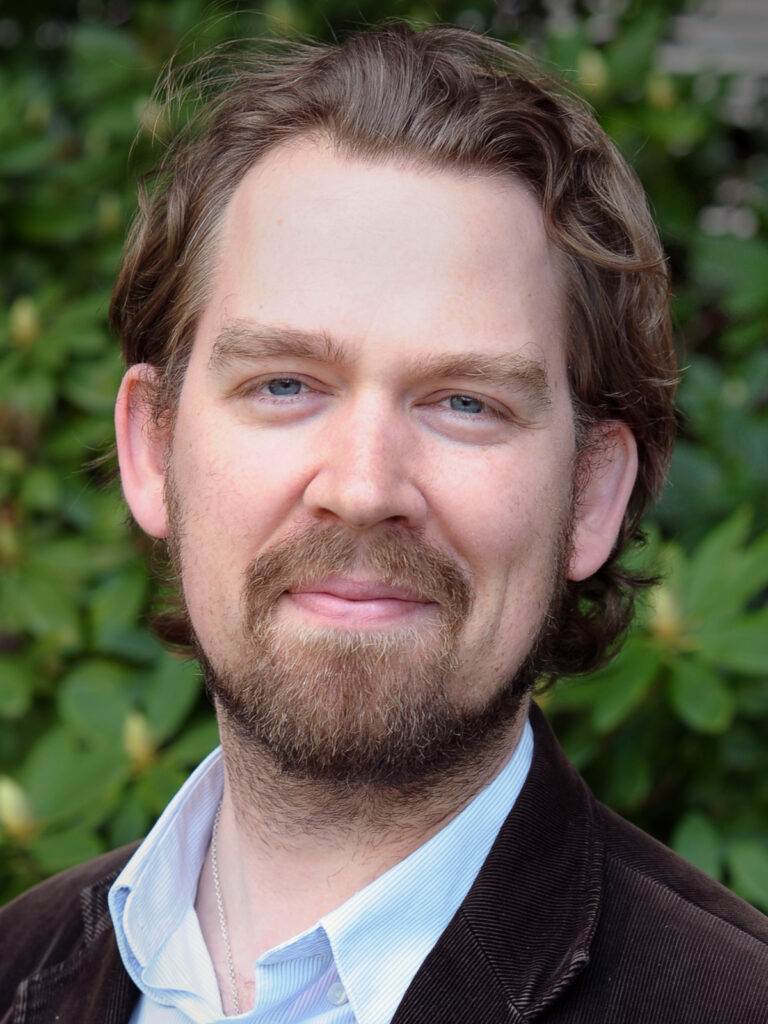
Aike Rots
Short Statement
I have been a member of EAJS since 2011. In that year, I participated in an EAJS PhD workshop in a charming Estonian coastal town. I still remember this workshop fondly, as I got helpful feedback and met fellow PhD students working on exciting Japan-related topics. This, I believe, is one of the most important roles of EAJS: creating opportunities for early career researchers to receive training and build their academic networks. This has become even more important now that area studies are under threat, and PhD and postdoc researchers in Europe who work on Japan risk isolation. In addition to the regular PhD workshops, EAJS should organise workshops or digital seminars that focus on specific skills such as writing grant proposals, publishing in Japanese studies journals, research methodologies, etc.
Another key task of EAJS is organising the triannual conferences. I have had the opportunity to serve as a section convenor twice, in 2023 and 2026. I applaud the decision to introduce interdisciplinary sections in fields such as environmental humanities and gender studies. At the same time, the large number of sections can lead to disciplinary fragmentation, and there appears to be considerable diversity when it comes to acceptance rate. We should ensure that the different sections apply the same standards for acceptance and rejection, including a clear policy on AI-generated abstracts, which has become a problem. As an EAJS council member, I would like to help create clear guidelines for convenors and a more integrated conference program.
Curriculum Vitae
Aike P. Rots is a Professor of East Asian Religions at the University of Oslo. He holds degrees in Japanese studies and religious studies from the University of Oslo (PhD), SOAS University of London (MA), and Leiden University (BA). In his research and teaching, he combines insights from anthropology, religious studies, critical heritage studies, and environmental humanities. Rots has published on a wide range of topics, including contemporary Shinto, religious environmentalism, Okinawan sacred groves, reforestation projects in Tohoku, heritage politics and tourism, human-whale relations, ritual theory, secularisation, religion in contemporary Vietnam, and Japanese Christianity. He is the recipient of two prestigious European Research Council grants (a Starting Grant in 2018 and a Consolidator Grant in 2025) and a Norwegian Research Council grant (in 2025). In his new projects, he will investigate popular goddess worship (Kannon, Benzaiten, Mazu, and Vietnamese mother goddesses) and environmental change across maritime East and Southeast Asia, including Japan.
Publications
Five important recent publications:
- Rots, Aike P., and Nhung Lu Rots. 2023. “When Gods Drown in Plastic: Vietnamese Whale Worship, Environmental Crises, and the Problem of Animism.” Environmental Humanities 15 (3): 8-29. https://doi.org/10.1215/22011919-10745957
- Frumer, Yulia, Aike P. Rots, and Jolyon Baraka Thomas. In press. Animating Action: Changing the World with Anime, Rituals, and Robots. University of Hawai‘i Press.
- Rots, Aike P., Florence Durney, Lindsey DeWitt Prat, and Sonja Åman (eds.). 2026. Water Powers: Sacred Aquatic Animals of the Asia-Pacific. University of Hawai‘i Press.
- Rots, Aike P. 2025. “Crossing Boundaries: Rethinking ‘Japanese Religion’ in the Anthropocene.” Japanese Journal of Religious Studies 51 (2): 253-283. https://doi.org/10.18874/jjrs.51.2.2024.253-283
- Rots, Aike P. 2025. “Whales of Hope: Whaling Heritage, Tourism, and Community Belonging in Twenty-First-Century Japan.” Contemporary Japan. Published online. https://doi.org/10.1080/18692729.2025.2485617
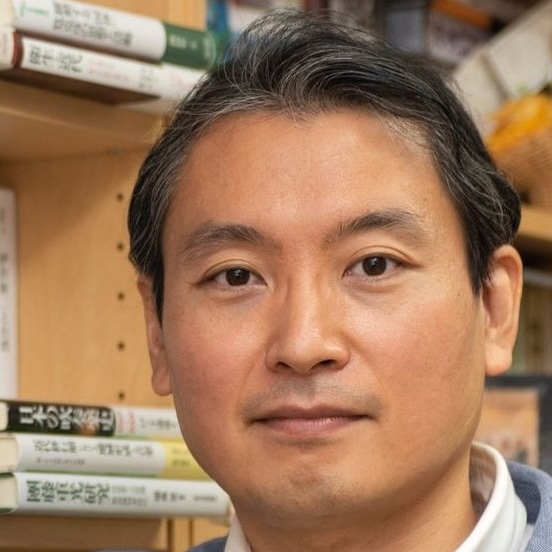
Yuichiro Shimizu
Short Statement
First and foremost, I would like to express my sincere gratitude for being nominated. I am honored and I accepted this nomination in the hope of giving something back to EAJS.
My first participation was at the 2011 conference in Tallinn. It was a truly memorable experience and left a deep impression on me, which I immediately began to share with junior and senior colleagues in Japan. At that time, only around fifty participants from Japan were there, but since then, the number of Japanese scholars attending EAJS has steadily increased. I would like to express my respect to all those who have contributed to this development.
One of the key challenges, in my view, is to better connect the respective trajectories of Japanese studies in Japan and in Europe. At the two Ghent conferences, held online and on-site, I had the opportunity to serve as an instructor for the PhD workshop—as one of the first Japanese scholars to do so, as I understand. However, I was concerned that there were no graduate students participating from Japan.
With this in mind, I accepted this nomination. In particular, I believe it is important to (1) create more platforms for exchange among early-career scholars in Japan and Europe, (2) further develop the ties between EAJS and academic communities and researchers in Japan, and (3) built channels to convey perspectives and needs from Europe to Japan. I would be honored to contribute to further strengthening and expanding Japanese studies through EAJS.
Curriculum Vitae / Publications
SHIMIZU Yuichiro is a Professor in the Faculty of Policy Management at Keio University, where he conducts research on Japanese politics and diplomacy from a historical perspective. He began his academic career in 2003 as a Research Associate at the University of Tokyo. He received his Ph.D. in Law from Keio University in 2005. He joined the Faculty of Policy Management at Keio University as Assistant Professor in 2007, was promoted to Associate Professor, and has served as Professor since 2017.
His doctoral dissertation was published as Seito to Kanryō no Kindai (Fujiwara Shoten, 2007). His subsequent book, Kindai Nihon no Kanryō (Chūō Kōron Shinsha, 2013), received the Public Policy Association Japan Award and was later translated into English as The Origins of Modern Japanese Bureaucracy (Bloomsbury, 2019). Most recently, he authored the entry “Modern Japanese Bureaucracy” for The Oxford Research Encyclopedia of Asian History (2025). A biographical study of Hara Takashi is also scheduled to be translated into English and published this autumn.
In recent years, he has expanded his research to cover the postwar and contemporary periods. Together with TAKII Kazuhiro and MURAI Ryota, he co-authored Japanese Political History (Yūhikaku, 2020), which has also been translated and published in Taiwan. His article “Japan: Prewar Political Elites and Postwar Democracy,” which examines the continuity between the prewar and postwar periods, appears in Yuko Kasuya (ed.), Decolonization and Regime Change in Asia (Springer, 2026).
Since 2009, he has incorporated oral history methodologies into undergraduate education. Since 2024, he has also organized annual oral history workshops for audiences beyond the university, demonstrating a strong commitment to the development of public history. He is currently preparing to publish a handbook on oral history this summer.
Building on these scholarly activities, he has contributed extensively to academic networking in political science and history within Japan, while also promoting the internationalization of Japanese studies. He was a Visiting Scholar at the Reischauer Institute of Japanese Studies, Harvard University (2014), a Visiting Associate Professor at the Graduate School of National Chengchi University, Taiwan (2015), a Visiting Professor in the Department of Japanese Studies at Ruhr University Bochum (2018), and a Visiting Professor at the Institute of Japanese Studies, Chinese Culture University, Taiwan (2024). He has continuously participated in the European Association for Japanese Studies (EAJS) since 2011, and served as a lecturer in the PhD Workshop at the Ghent conferences in 2021 and 2023—an uncommon role for a Japanese scholar. Currently, he is a board member of the Japan Society for Public Policy Studies, the Japanese Society for Electoral Studies, and the Japan Society for Public Administration; to become a board member of the Japanese Political Science Association this autumn.

Irena Srdanović
Short Statement
I am honored to accept the nomination for the position of Council Member of the European Association for Japanese Studies (EAJS). As a scholar of Japanese language and linguistics and Full Professor at Juraj Dobrila University of Pula, I have been actively engaged in developing Japanese Studies in Croatia and contributing to international academic cooperation across Europe, Japan, and wider.
My research focuses primarily on corpus linguistics and Japanese language education, with particular interest in innovative approaches that connect language studies with digital technologies and interdisciplinary collaboration. I have also been closely involved in institutional development, including establishing and strengthening Japanese Studies programs, initiating partnerships, supporting student mobility, and organizing international academic events such as the international conference marking the 10th anniversary of Japanese Studies in Pula.
If elected, I would be committed to supporting EAJS activities, encouraging collaboration across regions and disciplines, and contributing to initiatives that strengthen opportunities for early-career scholars and emerging programs in Japanese Studies throughout Europe. I see the EAJS Council as an important platform for fostering dialogue and continuous development of our research field.
I would be honored to participate in various events and contribute to the mission of EAJS.
Curriculum Vitae
Irena Srdanović is an internationally recognized scholar in Japanese corpus linguistics, computer-assisted language learning, lexicography, and Japanese as a foreign language education. She founded the first accredited undergraduate and graduate programs in Japanese studies in Croatia at the Juraj Dobrila University of Pula, where she heads the Department of Asian Studies and serves as President of the Association of Teachers of the Japanese Language in Croatia. Her research focuses on corpus-based approaches to Japanese language analysis and the application of digital technologies in language learning. She has contributed to major international corpus projects, authored influential scholarly works, led research initiatives, and received several prestigious international fellowships and research grants, as well as the Commendation from the Ministry of Foreign Affairs of Japan for her contribution to the development of cultural relations between Japan and Croatia and for fostering friendship between Japan and other countries.
Publications
(1) Matsushita, T., Iwashita, T., Arai, T., Abuellil, N., Tanaka, Y., Nakamata, N., Srdanović, I., Matsuda, M., Liu, R., Chen, M., Kashino, W., Ishiguro, K., Hashimoto, N., & Oguma, R. (2025). 日本語教育のための初級語彙をどう定めるべきか [How should basic vocabulary for Japanese language education be defined?]. NINJAL Journal 29, 261-281. DOI: 10.15084/0002000522
(2) Srdanović, I. (2024). Distribution of Suppositional Adverbs in Japanese Language Corpora: Using Skewer-Search System KOTONOHA. Rasprave Instituta za hrvatski jezik, 50(2), 411–431. https://doi.org/10.31724/rihjj.50.2.9 (Scopus journal)
(3) Srdanović, I., & Špica, D. (2022). Uvod u znanost o japanskom jeziku: Osnovna obilježja, glasovni sustav, leksički slojevi (I. svezak) [Introduction into Japanese Linguistics: General Characteristics, Sound System and Lexical Strata, Vol. 1]. Pula: Sveučilište Jurja Dobrile u Puli.
(5) Ueyama, M., & Srdanović, I. (Eds.). (2018). Digital Resources for Learning Japanese. Bologna: Bononia University Press.
(4) Srdanović, I., & Bekeš, A. (Eds.). (2019). The Japanese Language from an Empirical Perspective. Ljubljana: Znanstvena založba Filozofske fakultete.
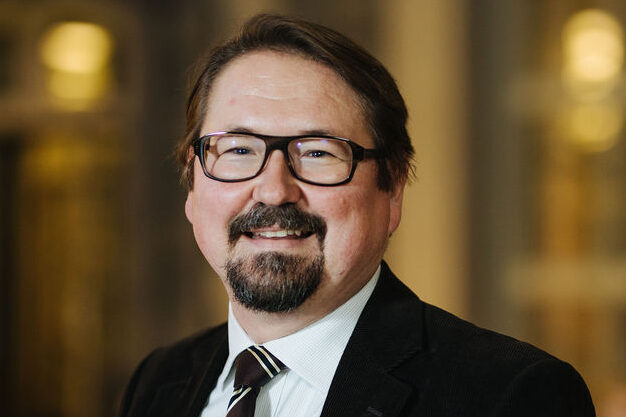
Patrik Ström
Short Statement
It is with great appreciation for EAJS that I stand as a candidate for the position as an EAJS Council Member. In a world of geopolitical insecurity, where we see that the rules based world order is being challenged, the importance of this kind of cross-disciplinary academic association has become even more important. EAJS is a platform for collaboration and creating deeper ties among researchers studying Japan from different perspectives. With great possibilities for wider collaboration with Japan and Europe, EAJS has an important role to play. For my candidacy I see three areas where I would be able to contribute to the community. First, with a disciplinary background in business and economics, with special focus on economic geography, I would be able to contribute with developing this study area of EAJS. Especially in relation to issues of economic integration and green economy transition between Japan and Europe. Second, I am eager to facilitate the growth of the next generation of Japan oriented scholars with a cross-disciplinary perspective. In this way EAJS helps to secure future knowledge development. Finally, with my background in business and economics and being based at the European Institute of Japanese Studies at Stockholm School of Economics, I can draw on experiences of extensive outreach activities in collaboration with societal stakeholders both in Europe and Japan.
Curriculum Vitae
PRESENT AND PREVIOUS EMPLOYMENT
2021- Director, European Institute of Japanese Studies and Center for Asian Studies, Stockholm School of Economics.
Dec 2019-2020 Deputy Director, European Institute of Japanese Studies, Stockholm School of Economics.
2016-2019 Head of Department and Associate Professor of Economic Geography, Department of Business Administration, School of Business, Economics and Law University of Gothenburg.
2012-2016 Deputy Head of Department and Assoc. Prof. of economic geography, Department of Business Administration, Centre for International Business Studies, School of Business, Economics and Law University of Gothenburg, Sweden
2006-2013 “The Staffan Helmfrid Pro Futura Fellow” (SCAS), Uppsala, Sweden
DEGREES
PhD Business Administration, Roskilde University, Denmark, 2003.
Econ. Dr. Economic Geography, University of Gothenburg, Sweden, 2004.
Docent (Associate Professor), Economic Geography, University of Gothenburg, Sweden, 2009
Publications
Ernkvist, M., & Ström, P. (2018). Differentiation in digital creative industry cluster dynamics: the growth and decline of the Japanese video game software industry. Geografiska Annaler: Series B, Human Geography, 1-24.
Richard Nakamura, H., Ström, P., & Alvstam, C. G. (2022). Japanese Economic Engagement With the EU: Geopolitics Meets Business. Journal of Applied Business & Economics, 24(2).
Jones, A., & Ström, P. (2024) Research Handbook on the Green Economy, Edward Elgar.
Nakamura, H. R., & Ström, P. (2025). How Geoeconomics Advances Geopolitical Cooperation: The Case of EU-Japan Relations. Czech Journal of International Relations, 60(3), 45-71.
Brandl, K., Jensen, P. D. Ø., Ström, P., & Jones, A. (2025). Characterizing international services: an interdisciplinary framework for research and policy. Journal of International Business Policy, 1-19.

Leslie Tkach-Kawasaki
Short Statement
My name is Leslie Tkach-Kawasaki, and I am a professor at the University of Tsukuba (Japan and Malaysia). I am running for one of the open council seats on the EAJS Council for 2026.
Please allow me to introduce myself briefly. I have been a Japanese Studies scholar for over 30 years. I hold two Japan-related M.A. degrees (Japanese Business Communication/Translation and International Political Economy) from Monash University (Australia) and the University of Tsukuba (Japan), respectively, as well as a Ph.D. from the University of Tsukuba. My recent academic association memberships include the European Association of Japanese Studies (EAJS), the Japan Studies Association of Canada (JSAC), and IAMCR (International Association of Media and Communications Professionals). I have association experience as a board member of the Japan Association of Translators (1998-2002) and the Association of Internet Researchers (Graduate Student Representative, 2001-2003).academic
I hope that you support me in realizing the following goals for EAJS:
1. Promoting mentoring and career support for early-career Japanese Studies scholars. As academic fields evolve in depth and interdisciplinarity, I strongly encourage publication, career support, and mentoring for scholars who will become future leaders in Japanese Studies.
2. Encouraging cross-fertilization through multidisciplinarity and methodological innovations. Our broad appeal as a leading association in Japanese Studies can be further strengthened through supporting multidisciplinarity (such as the new multidisciplinary tracks in EAJS conferences) and the integration of blended methodologies.
3. Enhancing networks among Japanese Studies associations worldwide. One strength of our academic association is its appeal throughout the world as a leader in Japanese Studies. I will strive to promote linkages between the EAJS and other regionally based Japan Studies organizations.
In order to contribute to EAJS in these areas, I would like to highlight my recent accomplishments in the following three areas: conference organization, publications, and academic administration. First, in 2021 (during COVID), I co-organized the 6th DISC International Conference, a successful academic conference that was held entirely online and that featured presentations by the City of Tsukuba mayor and many graduate students. Second, in 2023 and 2024, as a member of a three-person editorial team led by Tom Waldichuk of Thomson River College and David Edgington of the University of British Columbia (Canada), I co-edited the JSAC 2021 Conference proceedings. Finally, as the director of the JDS Program for the past three years, one of four special English programs within our faculty’s International Public Policy M.A./Ph.D. Program, I am experienced in academic management and administration, particularly in terms of the needs of international students in Japan and mentoring early-career researchers.
In summary, I would like to contribute my vision and skill set to EAJS and support my fellow Japanese Studies colleagues. Thank you for your time to read my statement.
Curriculum Vitae
Publications
Tkach-Kawasaki, Leslie (2022), Post-COVID-19 Public Policy Communication in Japan (Maarek, Philippe J. ed. Manufacturing Government Communication on Covid-19: A Comparative Perspective, Cham, Switzerland: Springer, 395 p., pp. 355-369, September 2022. ISBN 978-3-031-09230-5 (eBook).
Tkach-Kawasaki, Leslie, (2021) Japan: New Directions for Digital Japan (Lilleker, Darren, Coman, Ioana A., Gregor Milos, and Edoardo Novelli eds. Political Communication and COVID-19 Governance and Rhetoric in Times of Crisis, Oxon, United Kingdom: Routledge, 350 p., pp.44-54, February 2021. ISBN 978036763679-1.
Vergeer, Maurice, Leslie Tkach-Kawasaki, and Junku Lee (2020), Individual and contextual determinants of adoption of online media services in the 2017 lower house election campaign in Japan, in Telematics and Informatics, Vol. 50, Article 101399, July 2020. Peer reviewed. https://doi.org/10.1016/j.tele.2020.101399
Hartwig, Manuela, and Leslie Tkach-Kawasaki, (2020), Correction to: Identifying the ‘Fukushima Effect’ in Germany through policy actors’ responses: evidence from the G-GEPON 2 survey, in Quality & Quantity, Vol. 54, pp. 213-234, January 9, 2020. Peer reviewed. https://doi.org/10.1007/s11135-019-00857-x
Lee, Junku, and Leslie Tkach-Kawasaki (2018), The Relationship Between Information-Sharing and Resource-Sharing Networks in Environmental Policy Governance: Focusing on Germany and Japan, in Journal of Contemporary Eastern Asia, Vol. 17, No. 2, pp. 176-198, December 31, 2018. Peer reviewed. https://doi.org/10.17477/jcea.2018.17.2.176
Hartwig, Manuela, Kobashi, Yohei, Okura, Sae, and Tkach-Kawasaki, Leslie (2015). “Energy policy participation through networks transcending cleavage: an analysis of Japanese and German renewable energy promotion policies,” in Quality and Quantity, September 2014, 48:5 Published online: 2014; published in print version: Vol. 49, Issue 4, July 2015, pp. 1485-1512. Peer reviewed.
DOI 10.1007/s11135-014-0093-9
Tkach-Kawasaki, Leslie (2011). “Mapping Political Connections in Japan: The Functions of Hyperlinks on Japanese Diet Member Websites,” in Social Science Computer Review, Volume 29, No. 3, Fall 2011, pp. 300-312. Peer reviewed. https://doi.org/10.1177/0894439310382510
Tkach-Kawasaki, Leslie M. “Politics@Japan”, in Party Politics, 9:1, pp. 105-123, 2003. Peer reviewed.

Till Weingärtner
Short Statement
Eighteen years after attending my first EAJS conference in Lecce, I am deeply honoured to be nominated for a third term as a council member. It has been a privilege to serve the association, first as a member of the extended council and most recently as Secretary for the past three years.
A personal highlight of my tenure was hosting the EAJS PhD workshop at University College Cork, engaging with Japanese Studies across diverse European academic contexts. My career has been immensely enriched by the networks and collaborations fostered through the EAJS, and I would be delighted to continue sharing my passion and experience to support the international development of Japanese Studies across the continent.
As a council member, my priorities remain focused on bridging different academic levels. I am a staunch advocate for Japanese language education in secondary schools and local community outreach. Furthermore, given the current academic climate, I am committed to tackling the financial and logistical challenges facing internationally engaged departments amidst budget cuts and the growing existential threats to language-related disciplines.
Curriculum Vitae
I am a Senior Lecturer in Japanese Studies and Head of the Department of Asian Studies at University College Cork (UCC), Ireland. I have also served as Research Officer for the School of Languages, Literatures and Cultures. Under my leadership, we have successfully increased the frequency of Japanese language instruction and expanded our Japan-related content modules, establishing Japanese Studies as an integral part of the university’s curriculum.
I studied Japanese Studies and German Literature at Freie Universität Berlin, receiving my MA in 2006 and my PhD in Japanese Studies in 2012. From 2006 to 2008, I was a research student at Kansai University, where I immersed myself in the Japanese comedy scene as one half of the manzai duo Altbayern. This experience has informed my research and doctoral thesis. I began my teaching career at Freie Universität Berlin in 2008 and, following a lectureship at the University of Manchester, joined UCC in 2015.
My research explores Japanese popular culture, specifically comedy, media, performance, cinema, and literature. I am working on an English-language monograph on contemporary Japanese comedy and have begun investigating the intersections of humour and ageing in Japan. Public engagement is central to my work. I have curated and introduced films for the Irish Film Institute and organised professional rakugo (storytelling) performances across Europe. On occasion, I still perform rakugo myself in German, Japanese, and English.
Publications
2023
‘Return Ticket to Pyongyang: Transnational Aspects in the Work of Film-Maker Yang Yong-hi’ In: Kevin N. Cawley and Julia C. Schneider (eds). Transnational East Asian Studies. Liverpool: Liverpool University Press.
2023
‘The Film Star and Her Husband: The Collaboration between Takamine Hideko and Matsuyama Zenzō’ In: Felicia Chan, Fraser Elliott and Andrew Willis (eds). Women in East Asian Cinema: Gender Representations, Creative Labour and Global Histories. Edinburgh: Eidinburgh University Press.
2022
‘Celebrating the rival: Korean films and the Osaka Asian Film Festival. In: Hyunseon Lee (ed.) Korean Film and Film Festivals: Global Transcultural Flows. Abingdon: Routledge.
2021
‘Whose Story Is It Anyway? Shunputei Shota and the Individuality of the Performer in Contemporary Rakugo Storytelling’. Japanese Studies, 41 (2):161-179.
2016
‘How Japanese wallflowers turned into celebrities: Self-mockery and self-revelation of the female comedy duo Harisenbon’. Social Semiotics, 26 (3): 283-297.